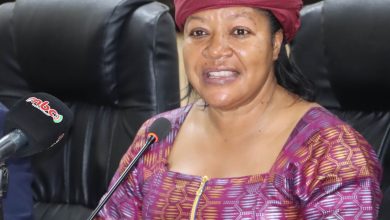
The concept of an open Parliament is gaining prominence in Malawi’s governance debate amid growing calls for stronger public accountability and citizen participation in decision-making. Our News Analyst WYCLIFFE NJIRAGOMA engages African Institute for Development Policy (Afidep) executive director ELIYA MSIYAPHAZI ZULU on what an open Parliament means in practice, gaps limiting citizens’ engagement with Parliament, and how transparency, evidence and technology can strengthen the relationship between lawmakers and the people they represent.
To begin with, what is this talk about ‘Open Parliament’ and why does it matter for ordinary Malawians?

An open parliament is one that is accessible, transparent and accountable to the citizens it represents. It means citizens can access information about parliamentary processes, understand decisions being made on their behalf and have opportunities to participate in shaping those decisions. Parliament exists because citizens give it the authority to act on their behalf. Therefore, people should know what laws are being discussed, how public resources are being allocated, what their representatives are doing and whether commitments are being fulfilled. For ordinary Malawians, this is not just about parliamentary procedures. It is about understanding whether resources allocated in the national budget are reaching sectors that affect their daily lives, including health, education, agriculture, roads and social protection.
Why is this conversation particularly important for Malawi at this point?
Malawi is facing significant development pressures, including rapid population growth and limited resources. Our population is currently about 22 million and is projected to grow significantly in coming decades. This will increase demand for schools, health facilities, jobs, food and other essential services. Given these pressures, we cannot continue operating in the same way and expect different outcomes. We need institutions that make decisions based on evidence, use resources prudently and remain accountable to citizens. Parliament has a critical role because it approves the national budget and oversees how resources are used. But for that role to be effective, citizens must understand and engage with parliamentary processes.
Afidep places strong emphasis on evidence-based decision-making. How can evidence strengthen Parliament’s work?
Evidence allows Parliament to make decisions based on facts rather than assumptions. When legislators scrutinise budgets, policies and programmes, they need reliable information on existing challenges, what interventions are working and where resources can have the greatest impact. Our engagement with Parliament has focused on strengthening capacity in areas such as budget analysis, expenditure tracking and oversight. Stronger use of evidence enables Parliament to ask better questions and hold the Executive accountable for delivering results.
You have raised concerns about citizens’ access to parliamentary information. What are the gaps that need attention?
Citizens should not struggle to access information about the institution that represents them. They should be able to follow parliamentary debates, access committee reports, understand budget allocations and know how their representatives participate in decision-making. The Africa Integrity Indicators assessment has shown that Malawi still has gaps in this area. Parliamentary information is not always consistently available online, including the Hansard and other important records. Access should not depend on where someone lives, whether they can travel to Lilongwe or whether they know who to approach. A citizen in Chitipa should have the same opportunity to access parliamentary information as someone in Lilongwe.
Parliament has made progress through live broadcasts and public hearings. How do you assess these efforts?
These are important steps towards openness. Live broadcasts have helped citizens understand parliamentary debates and appreciate the role Parliament plays. Public hearings on issues of national interest have also increased public engagement. The attention generated by hearings on matters such as the Amaryllis Hotel and Chikangawa plane crash demonstrates that citizens want to understand what is happening and demand accountability. However, transparency must ultimately lead to accountability. Citizens are not only interested in seeing discussions take place; they want to see what follows from those discussions.
What does your caution that transparency without accountability may not be enough mean in practice?
Transparency is important because it allows citizens to know what is happening. But if information is available and no action follows, the purpose of transparency is weakened. Public hearings, parliamentary reports and oversight processes must lead to meaningful outcomes. Citizens need to see that concerns raised result in corrective action, reforms or accountability measures. Otherwise, there is a risk that people begin viewing these processes as events rather than mechanisms for improving governance.
What practical steps should Malawi prioritise to build a Parliament that is more open and connected to citizens?
Malawi should create systems that make parliamentary information consistently available, accessible and understandable. Citizens should be able to access legislation, debates, committee reports, voting records and budget information without unnecessary barriers. There must also be stronger channels for citizens to contribute their views and receive feedback on how their concerns have been considered. The goal is not simply to take information from Parliament to citizens. It is to create a two-way relationship where citizens can also bring their experiences and priorities into Parliament. That is what makes a Parliament truly open and accountable.